

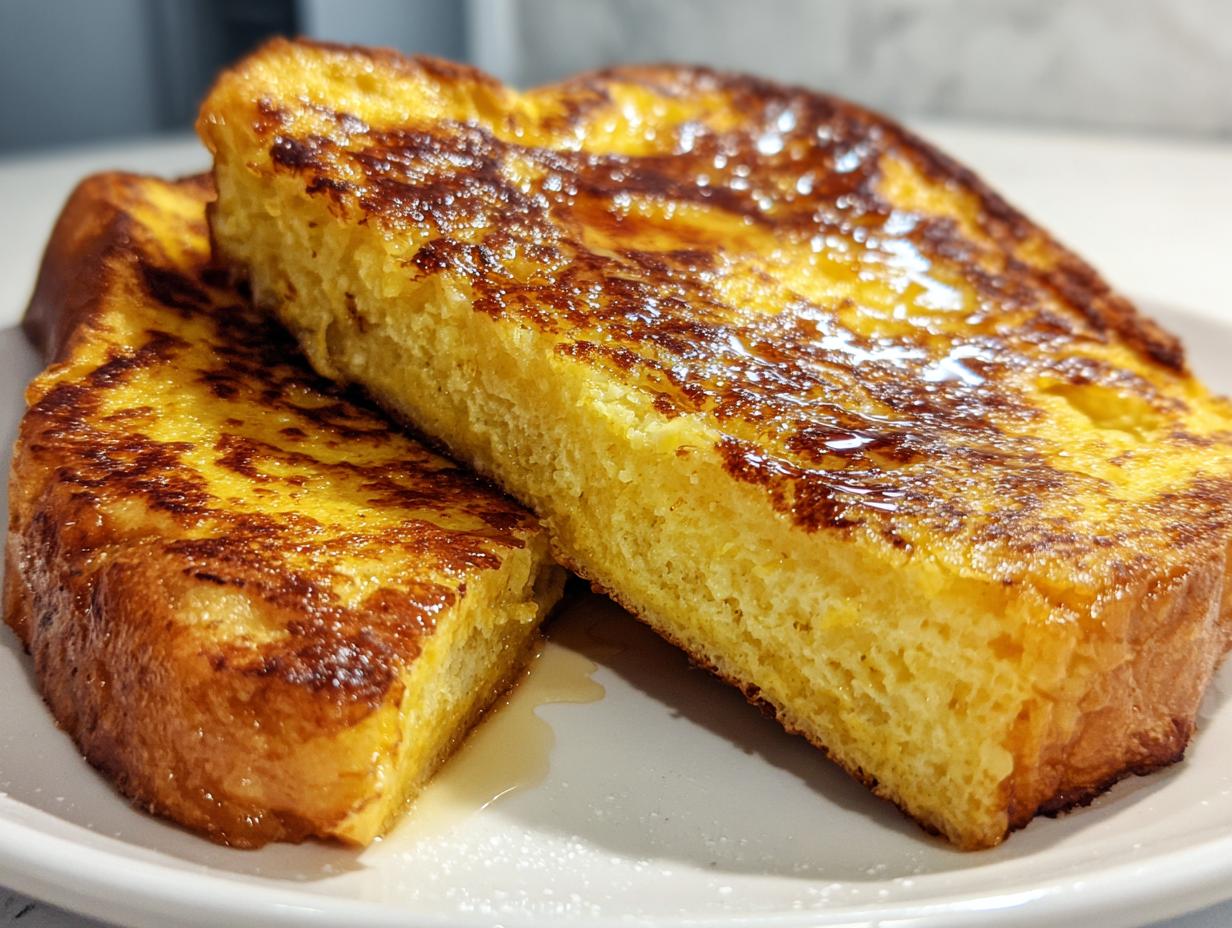
Are you tired of soggy bread when you try to make french toast? I get it. Everyone dreams of that perfect bite: shatteringly crispy, buttery edges giving way to a warm, rich, custardy center. That’s the magic we’re chasing here. This isn’t about complicated techniques; it’s about getting back to basics. I’m Ava Sinclair, and I started Completely Yummy because life gets busy, but that doesn’t mean our food has to suffer. My philosophy is simple: Simple Recipes, Seriously Good Food. We’re going to take those humble ingredients and transform them into the absolute best classic french toast you’ve ever made, right in your own kitchen. If you need something even faster later this week, check out my thoughts on quick healthy breakfast options!
- Why This is the Best Classic French Toast Recipe
- Ingredients for Perfect Classic French Toast
- How to Prepare the Best French Toast
- Ingredient Notes and Substitutions for Your French Toast
- Variations: Beyond Classic French Toast
- Serving Suggestions for Your Perfect French Toast
- Storage and Reheating Instructions for French Toast
- Frequently Asked Questions About Making French Toast
- Estimated Nutritional Data for This French Toast
- Estimated Nutritional Data for This French Toast
Why This is the Best Classic French Toast Recipe
If you’ve been searching for the definitive guide to stunning breakfast, you’ve found it. This is truly the best french toast tips collection because we are obsessed with texture! I spent weeks testing and tweaking ratios for this classic french toast recipe. Seriously, I made six batches in one Saturday morning just perfecting the soak time. I promise, the focus on getting those custardy french toast centers contrasting with that perfect golden crunch is evident in the final plate.
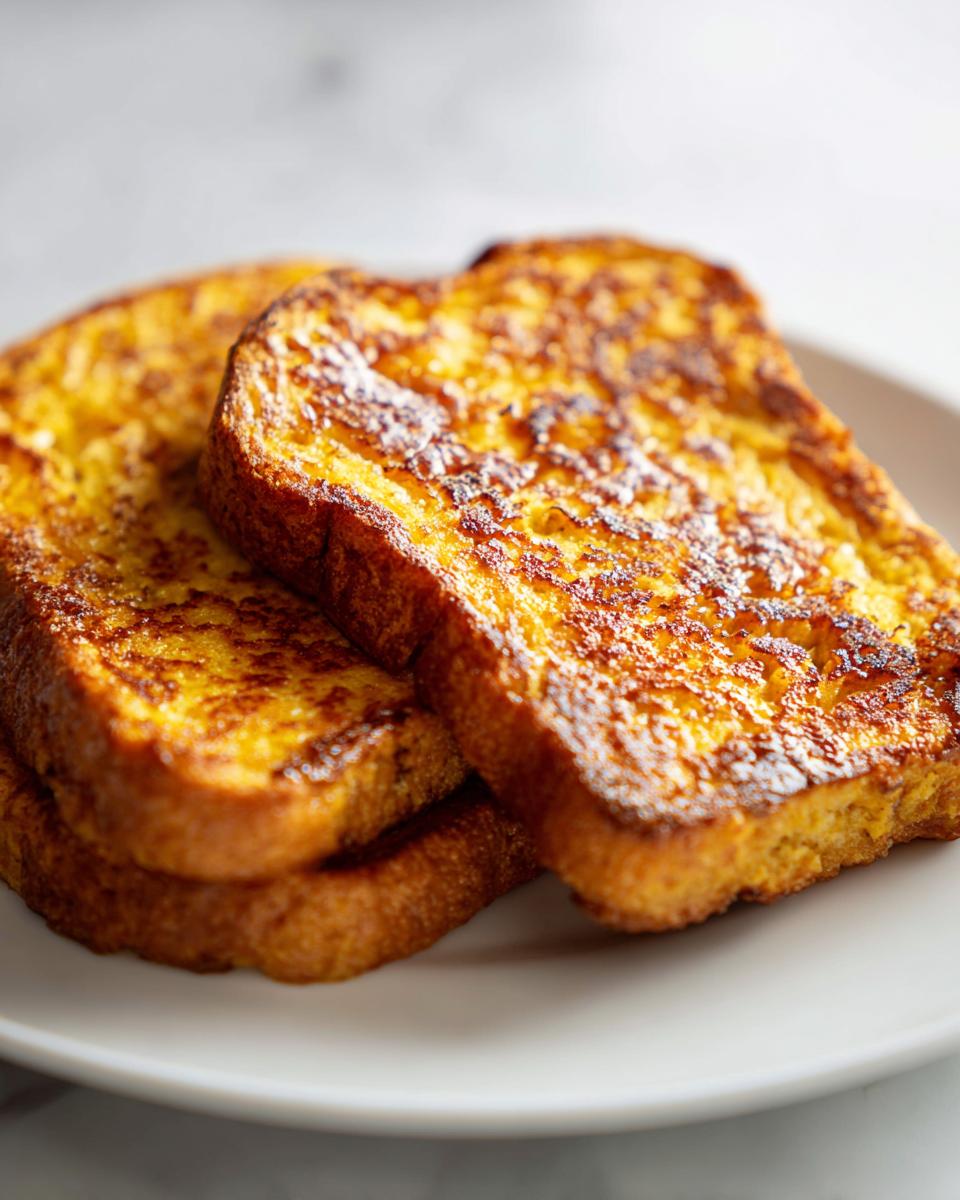
My goal here at Completely Yummy is giving you reliable results. You won’t get kitchen failures from me! If you want to see another angle on perfecting this meal, check out some other great advice on making the best french toast recipe out there.
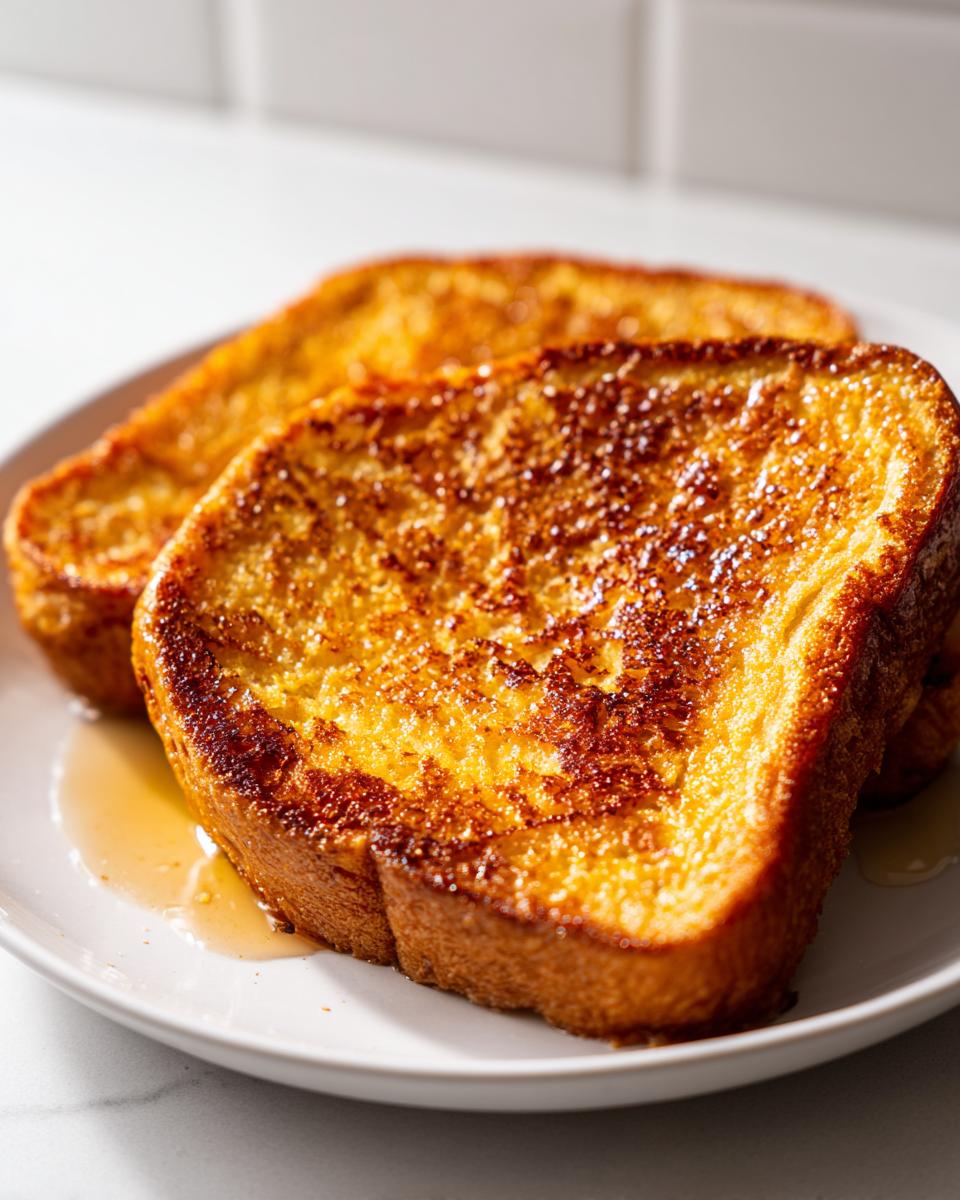
Achieving Fluffy French Toast and Crispy French Toast Edges
The secret battle in french toast making is between sogginess and dryness. To get beautifully fluffy french toast and those gorgeous crispy french toast edges, you have to nail the bread choice and the heat. We use thick-cut bread—not thin stuff that dissolves! Those thick slices act like sponges that can hold our rich custard without collapsing.
Next comes the temperature. If your pan isn’t hot enough, the butter just soaks into the bread, making it greasy. Too hot, and the outside burns before that rich interior cooks through. We aim for medium heat—just hot enough to sizzle immediately without smoking. This gentle cooking allows the inside to set into that perfect dense, creamy delight!
Ingredients for Perfect Classic French Toast
Okay, let’s talk about what goes into this masterpiece. My philosophy means we don’t need fancy, obscure stuff; we just need the right components prepared correctly. Using the right bread is probably the most important choice you’ll make! I’m listing exactly what I use below. Stick closely to these measurements for that true breakfast magic. Don’t try to stretch the custard mixture too thin—you need enough richness for that incredible outcome.
- 8 thick slices of bread (Challah or Brioche work best—trust me on this!)
- 4 large eggs
- 1/2 cup whole milk
- 1/4 cup heavy cream (This is non-negotiable for richness!)
- 1 teaspoon vanilla extract
- 1 teaspoon ground cinnamon
- 1/4 teaspoon ground nutmeg
- Pinch of salt
- 2 tablespoons butter, for cooking
How to Prepare the Best French Toast
Getting this right is all about time management and temperature control. Remember, our goal is a perfect blend of crispy and creamy—the hallmark of truly great french toast. Total time from start to finish is only about 25 minutes (10 min prep, 15 min cook), so this is actually an easy brunch recipe for a weekend morning!
First, create that decadent custard. Whisk your eggs, milk, that crucial heavy cream, vanilla, cinnamon, nutmeg, and salt in a shallow dish. You want it fully combined so there are no slimy egg streaks left!
Now for the dunking! This is where precision matters most to get those custardy french toast centers. Dip each slice but let it soak for only 15 to 20 seconds per side. If you soak it longer, you’ll end up with mush—we want structure! Meanwhile, get your skillet or griddle hot over medium heat. Add half your butter and wait until it foams up. Don’t place the bread down until you see that foam!
Cook the slices for 3 to 4 minutes per side until they look beautifully golden brown. If the outside starts blackening too fast, pull the heat down a tick. We need that time for the inside to set up nicely. Add more butter as needed and repeat! This whole process is surprisingly quick, and I promise the results are worth it. Check out this fantastic guide for more detail on pan technique: the ultimate guide to the best french toast recipe you’ll ever make.
Tips for Making Easy French Toast
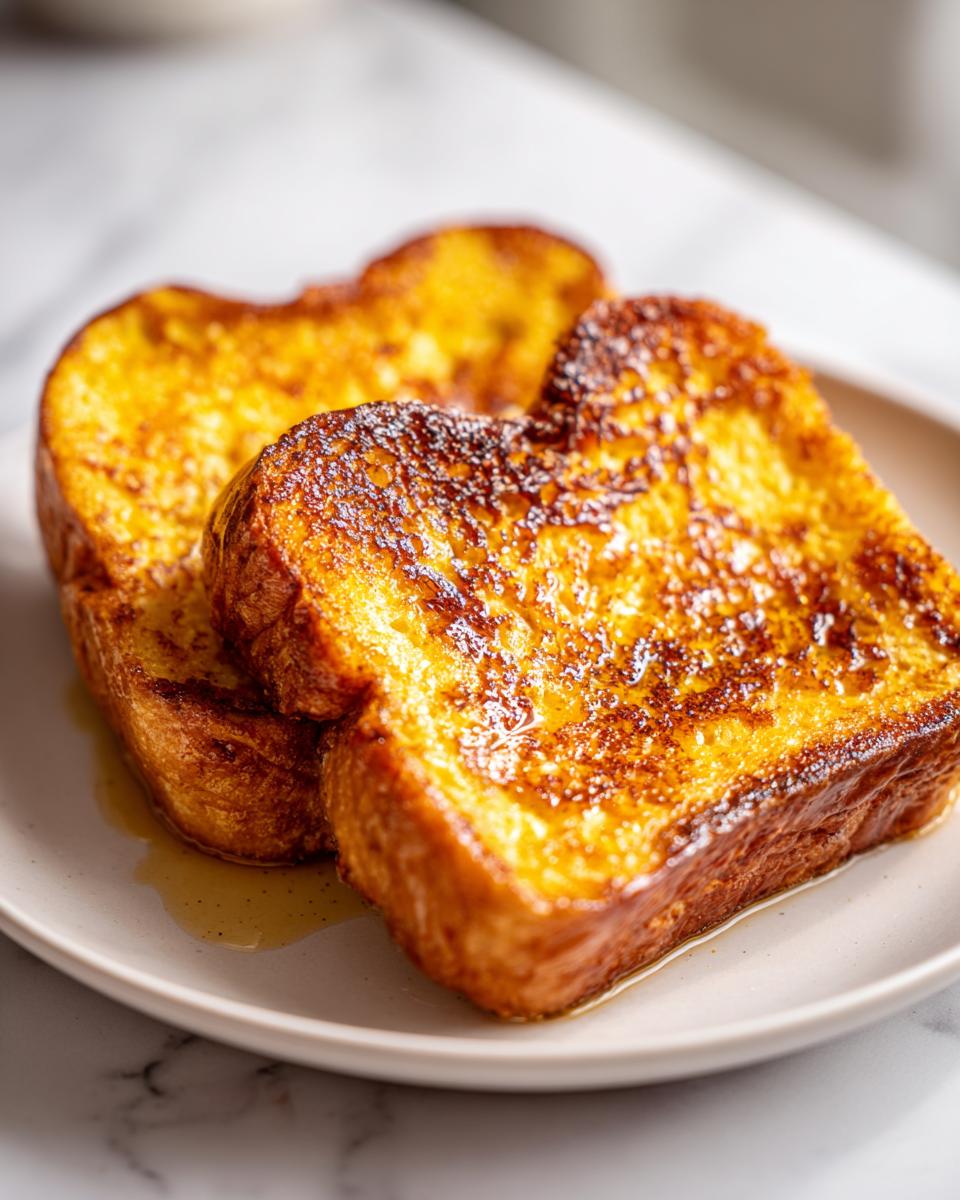
Even though this recipe is fantastic, I want you to feel like you can nail this every single time, even when you’re sleepy! This is definitely an easy french toast method. The biggest thing you can do to set yourself up for success is to use slightly stale bread—seriously! Stale bread absorbs the rich custard way better without getting floppy and falling apart. If your bread isn’t stale, just let the slices sit out on the counter for about 30 minutes first.
Also, don’t skip the cream! That little bit of heavy cream is what makes the difference between basic breakfast and something worthy of a gourmet breakfast spread. For the fastest mornings, use a large griddle so you can cook four slices at once. It really cuts down on your cooking time, making it perfect for quick breakfast ideas!
Ingredient Notes and Substitutions for Your French Toast
I get asked all the time about swapping ingredients, and that’s fine! Cooking should be flexible, right? However, since we are aiming for the absolute best texture, there are a few things I strongly recommend keeping true to the recipe, especially regarding the bread and dairy.
If you can’t find fresh Challah or Brioche—which I really push for because they are sturdy and rich—don’t panic. A thick-cut Texas toast or even a slightly day-old French or Italian loaf works surprisingly well. The key is thickness! Thin slices, no matter what kind, will just turn into soggy mush when they hit that custard. We want bread that can stand up to a proper soak.
When it comes to the dairy, if you’re out of whole milk or heavy cream, you can certainly adjust. The recipe calls for half whole milk and a quarter cup of heavy cream. As I mentioned in my notes, substituting half of that milk with half-and-half adds a fantastic richness back in if you skip the heavy cream entirely. Using only skim milk, though? That might make your custard a little watery, so try to keep some fat content in there for that beautiful mouthfeel we are looking for in an amazing french toast.
Also, don’t cut back on the spice! That little bit of nutmeg with the cinnamon is what elevates this from just ‘sweet bread’ to something truly special. It gives it that warmth people associate with a gourmet breakfast!
Variations: Beyond Classic French Toast
Once you master the base recipe—getting those perfect, creamy centers—it’s time to play! Not every morning calls for simplicity; sometimes you need something show-stopping for weekend breakfast ideas. That’s when we turn to the fun stuff! Have you ever considered making stuffed french toast?
That sounds intimidating, I know, but it’s much easier than it looks. You slice the bread almost all the way through to create a pocket, spread in a simple, sweet filling (cream cheese is my go-to—you can find some inspiration here: stuffed french toast cream cheese recipe), and then dunk as usual. It makes the whole meal feel like a celebration!
And hey, if you’re planning ahead for the holidays or maybe you just hate making breakfast when everyone is hungry at 8 AM, keep an eye out on the blog. I’m working on a fantastic overnight french toast bake recipe that lets you assemble the whole thing the night before. Talk about easy brunch recipes!
Making Gourmet Breakfast with Cinnamon French Toast
If stuffing feels like too much effort but you still want that extra layer of flavor, just amp up the spices! This is where you elevate simple french toast to a true gourmet breakfast experience. You can easily double the cinnamon in the custard mixture, or even add a tiny pinch of cardamom along with the nutmeg. That simple addition changes the whole profile of the dish.
Another quick trick for gourmet flair is to toast your bread slightly before dipping it. This helps lock in structure even more strongly. Seriously, a minute in the toaster per side before the custard bath makes the final product stand taller and crisper. It ensures that glorious contrast we talked about earlier—the hallmark of amazing cinnamon french toast.
Serving Suggestions for Your Perfect French Toast
So, you’ve mastered the technique, and you have these beautiful, golden slices sitting on your plate. Now what? We need toppings! This is the fun part, and what makes it perfect for those leisurely weekend breakfast ideas. Maple syrup is a must, of course, but I always recommend warming it up slightly first—it spreads better and feels so much nicer!
Don’t forget the fresh fruit! A handful of bright raspberries or sliced bananas with a dusting of powdered sugar makes everything look instantly better. If you’re making this for a crowd, having a little savory side, like some crispy bacon or maybe even a couple of bright turkey sausage patties, really balances out the sweetness of the dish. Check out this recipe for some fun ideas on how to present your gorgeous french toast beautifully: easy French Toast recipe.
Storage and Reheating Instructions for French Toast
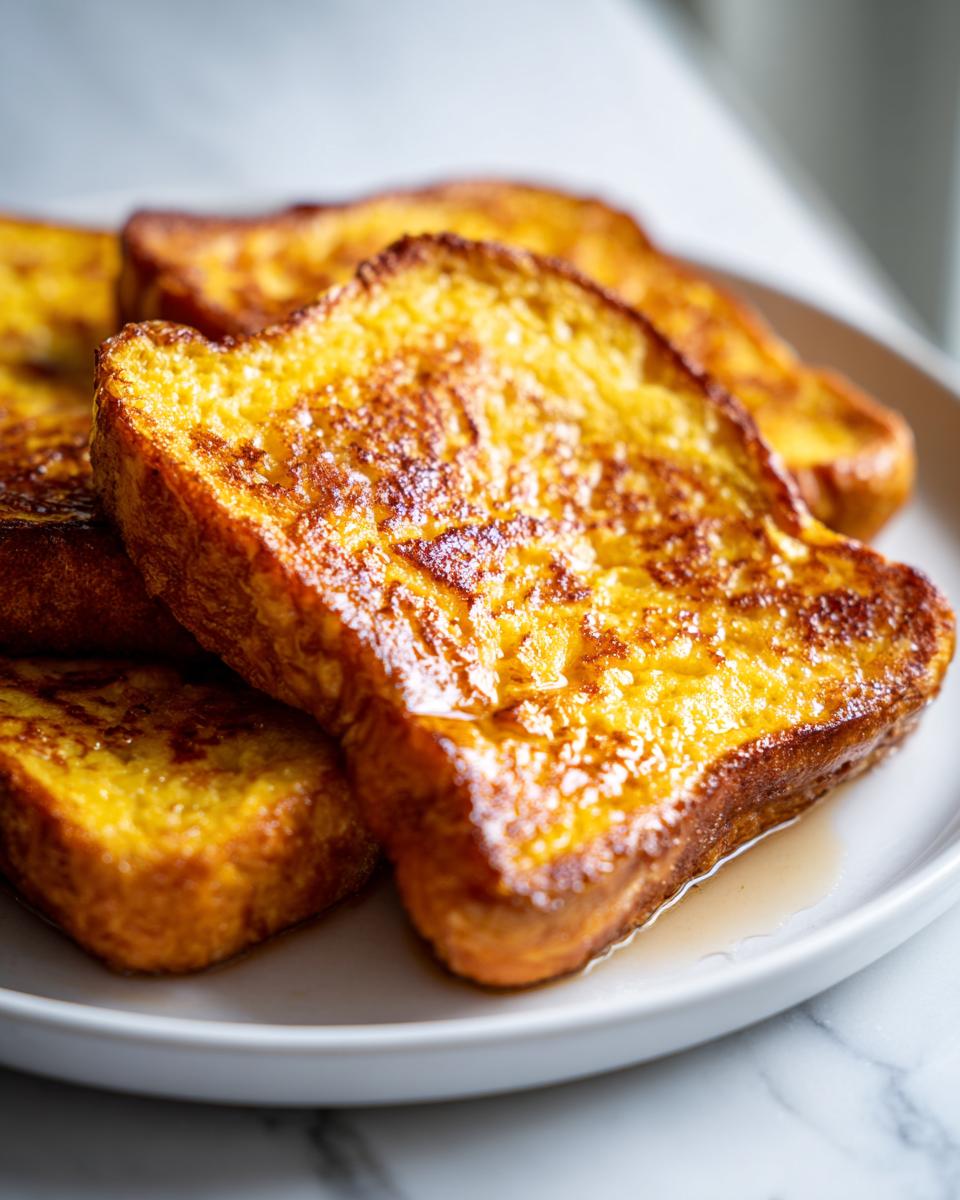
Nobody wants to waste these beauties, right? Luckily, leftover french toast is easy to manage, though reheating requires a little care if you want to keep those crispy french toast edges intact. Store any cooled leftovers in an airtight container right in the refrigerator. They usually stay perfectly good for about three days.
When it comes to reheating, please, for the love of breakfast, skip the microwave! Microwaving turns them instantly soft and steamy. Instead, use your oven or a skillet. For a few slices, toss them directly onto a hot, dry skillet for just a minute or two per side until the outside crisps up again. If you’ve made a big batch, lay them on a baking sheet and warm them through in a 350°F oven for about 8 to 10 minutes. You can find a whole sheet-pan approach to leftovers by looking into a french toast casserole—those reheat beautifully!
Frequently Asked Questions About Making French Toast
I always get so many questions after people try this recipe! It’s really important to me that you feel confident making this perfect breakfast anytime. Here are a few things I hear most often, especially from folks who are trying to nail that perfect, slightly indulgent texture.
What is the best bread for french toast?
Oh, this is the big one! You absolutely need something sturdy that can soak up that rich custard without completely falling apart. For the best results—think ultra-rich flavor and a great texture—you should always reach for Challah or Brioche. They have a higher fat and egg content, which translates directly into that amazing, almost cake-like interior we want. If you use regular sandwich bread, you need to cut it super thick, like an inch, or you’ll just end up with sweet, wet mush!
Can I make this french toast recipe ahead of time?
For the classic pan-fried version you just made, I really don’t recommend prepping it too far ahead. It’s best cooked right when you make the custard. However, if you need make ahead french toast, especially when hosting a big group for brunch, that’s when you switch gears! You toss the bread and custard into a baking dish, cover it, and stick it in the fridge overnight. That turns it into a baked french toast casserole, which lets you wake up and just pop the dish into the oven. It’s a total lifesaver for holiday mornings!
How thick should my bread slices be?
The thickness is seriously crucial for achieving those wonderful custardy french toast centers! If your slices are standard half-inch thick, your toast will likely be fully saturated and possibly soggy when you pull it out of the pan. I always say aim for slices that are at least three-quarters of an inch thick, but ideally, cut them a full inch thick if you are using Challah. That thickness gives you the necessary structural integrity to handle a good 20-second soak on each side without turning into soup.
Can I use almond or soy milk instead of dairy?
You totally can make substitutes, but remember we talked about that heavy cream being essential for richness. If you use almond or soy milk instead of the whole milk, I’d strongly encourage you to replace the 1/4 cup of heavy cream with a 1/4 cup of half-and-half instead. Plant-based milks are much thinner than dairy, and that fat content is what really helps you develop that luxurious mouthfeel. You still get a great result for an easy breakfast, just be aware that the texture might be slightly lighter!
Estimated Nutritional Data for This French Toast
I know some of you track your macros, so here is the general nutritional breakdown for two slices of this classic french toast, based on the ingredients listed above. Please remember this is just an estimate and doesn’t include any syrups or toppings you might add on! We want you to enjoy this treat responsibly.
- Serving Size: 2 slices
- Calories: 350
- Fat: 18g
- Saturated Fat: 9g
- Carbohydrates: 35g
- Protein: 14g
- Sugar: 12g
- Cholesterol: 180mg
Estimated Nutritional Data for This French Toast
I know some of you track your macros, so here is the general nutritional breakdown for two slices of this classic french toast, based on the ingredients listed above. Please remember this is just an estimate and doesn’t include any syrups or toppings you might add on! We want you to enjoy this treat responsibly.
- Serving Size: 2 slices
- Calories: 350
- Fat: 18g
- Saturated Fat: 9g
- Carbohydrates: 35g
- Protein: 14g
- Sugar: 12g
- Cholesterol: 180mg
The Absolute Best Classic French Toast Recipe

Follow this foolproof guide to make classic French toast with crispy edges and a rich, custardy center every time. This recipe is simple, quick, and perfect for any weekend breakfast or brunch.
- Prep Time: 10 min
- Cook Time: 15 min
- Total Time: 25 min
- Yield: 4 servings 1x
- Category: Breakfast
- Method: Pan Frying
- Cuisine: American
- Diet: Vegetarian
Ingredients
- 8 thick slices of bread (Challah or Brioche work best)
- 4 large eggs
- 1/2 cup whole milk
- 1/4 cup heavy cream
- 1 teaspoon vanilla extract
- 1 teaspoon ground cinnamon
- 1/4 teaspoon ground nutmeg
- Pinch of salt
- 2 tablespoons butter, for cooking
Instructions
- Prepare the custard mixture: In a shallow dish, whisk together the eggs, milk, heavy cream, vanilla extract, cinnamon, nutmeg, and salt until fully combined.
- Heat a large skillet or griddle over medium heat. Add half of the butter and let it melt until foamy.
- Dip each slice of bread into the custard mixture, allowing it to soak for about 15 to 20 seconds per side. Do not over-soak, or the bread will fall apart.
- Place the soaked bread slices onto the hot skillet, ensuring they do not touch.
- Cook for 3 to 4 minutes per side until the French toast is golden brown and cooked through. Adjust the heat if the edges brown too quickly before the center sets.
- Add the remaining butter to the skillet and repeat the process with the remaining bread slices.
- Serve immediately with your favorite toppings like maple syrup and fresh berries.
Notes
- Use slightly stale bread; it absorbs the custard better without becoming soggy.
- For extra richness, substitute half the milk with half-and-half.
- To achieve crispy edges, ensure your skillet is hot enough before placing the bread down.
Nutrition
- Serving Size: 2 slices
- Calories: 350
- Sugar: 12
- Sodium: 350
- Fat: 18
- Saturated Fat: 9
- Unsaturated Fat: 9
- Trans Fat: 0.5
- Carbohydrates: 35
- Fiber: 2
- Protein: 14
- Cholesterol: 180